


The Hidden Cost of After- Hours Charting in Clinics
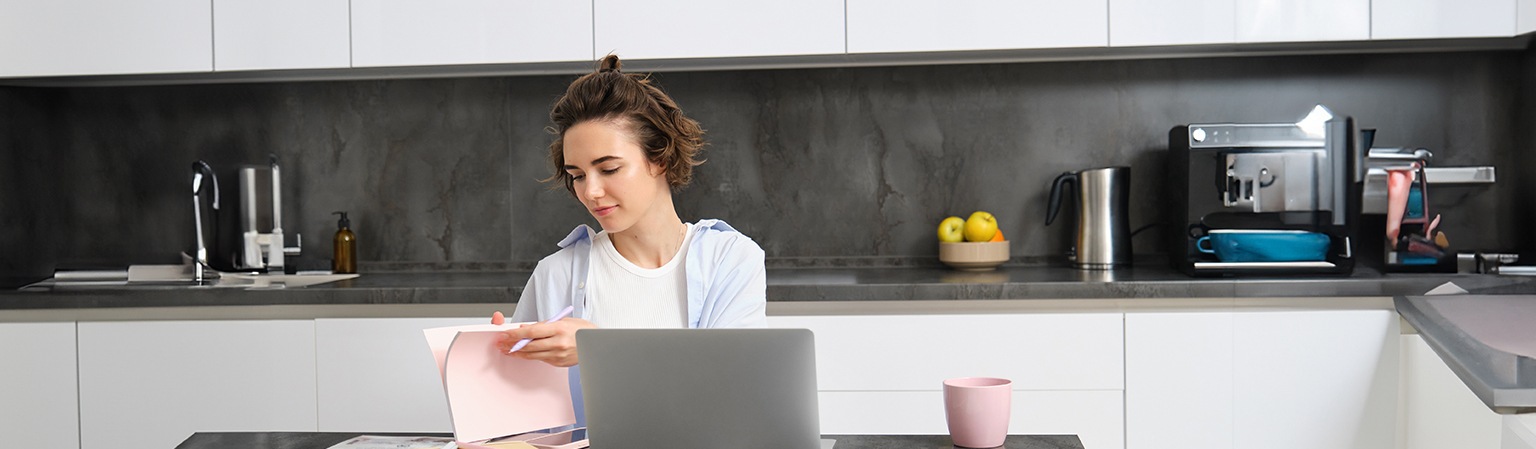
It is 9 p.m. The clinic closed hours ago, but one of your best clinicians is at the kitchen table, laptop open, finishing the day’s notes. No patient is in the room. No one is paying for this hour. It happens again tomorrow.
This is after-hours charting, and it is one of the quietest threats to a healthy clinic. It rarely shows up on a schedule or an invoice, so it is easy to miss. But it shapes how long your clinicians stay, how complete your records are, and how clean your billing runs. This article looks at what after-hours charting really costs a health and wellness clinic, and the practical steps that help teams reclaim 30 to 60 minutes per provider each day.
What is after-hours charting?
After-hours charting is clinical documentation completed outside scheduled clinical and administrative hours, usually in the evening or on weekends. Clinicians often call it “pajama time.” The visit is over, the patient has gone home, and the note still needs to be written, structured, and signed.
It usually takes a few familiar forms:
- Writing or finishing visit notes after the last appointment of the day
- Catching up on a backlog of unsigned notes on evenings or weekends
- Re-entering the same information into more than one screen or system
- Reworking notes later so they meet billing and compliance requirements
Why after-hours charting costs more than time
The real cost of after-hours charting is not only the hour itself. It is what that hour does to your people, your records, and your revenue.
Documentation is now one of the heaviest parts of clinical work. A landmark time-and-motion study found that for every hour clinicians spend with patients, they spend nearly two more hours on the record and desk work (Sinsky et al., 2016). In Canada, the Canadian Medical Association reports that 60 percent of physicians say administrative burden is a direct contributor to burnout.
That burden has a downstream price for the whole clinic:
- Burnout and turnover. After-hours documentation is strongly linked to burnout, and replacing an experienced clinician is slow and expensive.
- Late and unsigned notes. A growing backlog delays billing and creates compliance risk.
- Inconsistent records. Notes written tired and late are more likely to miss required elements.
- Lost evenings. The work follows clinicians home, which is exactly what drives good people to leave.
How much time do clinicians actually lose?
Most clinics underestimate it, because the time is invisible. The published numbers are sobering. Primary care physicians spend roughly 86 minutes of pajama time on the record every night, on top of their clinic day (Arndt et al., 2017). Canadian physicians report spending 10.4 hours per week on administrative tasks, and 46 percent report high levels of burnout (CMA 2025 National Physician Health Survey).
For an allied health or wellness clinic, the math is easy to feel. One clinician losing an hour a night, five nights a week, is a full working day of unpaid documentation every week, from each provider.
How clinics can reduce after-hours charting
The goal is simple: finish the note while the visit is still fresh, so it does not follow anyone home. A few practices move the needle.
Tighten your templates. Build chart-note templates and structured forms around what each discipline actually records, so there are fewer empty fields to wrestle with.
Document inside the visit, not after it. The closer documentation happens to the conversation, the less memory work is left for the evening.
Keep everything in one system. Re-entering data across tools is pure waste. Notes should live with the client, case, and appointment they belong to.
Let AI draft, and keep the clinician as the author. An AI scribe can turn the visit into a first draft in seconds, leaving the clinician to review and sign rather than type from scratch.
Where an AI scribe fits
An AI medical scribe is software that drafts a clinical note from the visit, so the clinician edits and approves instead of writing from a blank page. Clinicmaster offers this as AI Charting & Scribe, built directly into the platform.
Here is how it works in practice. AI Charting & Scribe reads the visit conversation and the clinician’s own notes, then drafts the chart note. The draft maps to the templates and structured forms the clinic already uses, so it reads like the clinic’s own documentation. Crucially, the clinician stays the author: AI Scribe only ever produces a draft. The clinician reviews it, edits anything that needs changing, and signs. Nothing reaches the chart without that approval, and every sign-off is recorded with the name and the time.
Because it is part of Clinicmaster, the signed note attaches to the right client, case, and appointment, with no copying between systems. It works in English and French, which matters for bilingual and Québec clinics. The early evidence is encouraging: in a national survey, 59 percent of physicians who used AI said it reduced their administrative time.
Common mistakes to avoid
Clinics that try to fix documentation load often stumble in the same few ways:
Treating it as a personal problem. Telling clinicians to “get faster at notes” ignores a workflow issue.
Adding a tool that lives outside the chart. If staff copy and paste between systems, you have moved the work, not removed it.
Letting AI post notes automatically. Clinical notes are a medico-legal record. A human must review and sign every one.
Reclaim the evening, not just the hour
After-hours charting is a cost most clinics carry without naming it. Three things are worth remembering. First, the hour clinicians spend documenting at home is a real expense in burnout, retention, and billing. Second, the fix is a workflow change, not a willpower problem: finish the note while the visit is fresh. Third, AI can help by drafting the note, as long as the clinician stays the author and signs every record.
Your clinicians chose this work to care for patients, not to type until 10 p.m. Reducing after- hours charting is one of the most direct ways to give them that time back. See how Clinicmaster helps clinics finish documentation on the clock.
Ready to give your clinicians their evenings back?
See how Clinicmaster helps clinics reclaim clinician time.
AI Charting & Scribe drafts the note. Your clinician reviews, edits, and signs.
Questions clinical
and IT leaders ask us.
Studies put after-hours documentation at roughly 86 minutes per clinician each night, on top of the clinic day. Canadian physicians report about 10.4 hours per week on administrative tasks overall. For a single provider, that can add up to a full working day of unpaid documentation every week.
An AI scribe is accurate enough to produce a first draft, not a final note. It drafts from the visit and the clinician's notes and maps to the clinic's templates. The clinician then reviews, edits, and signs. Because a human approves every note, accuracy is verified before anything reaches the chart.
The clinician is. With Clinicmaster AI Charting & Scribe, AI only produces a draft. The clinician reviews, edits, and signs it, and the sign-off is recorded with the name and time. Nothing is saved to the chart without that approval, so the clinician remains the author and the responsible party.
Yes. Clinicmaster AI Charting & Scribe works in both English and French, which supports bilingual teams and Québec clinics. Drafts follow the clinic's own templates, so the note matches the language and structure the clinic already documents in.
It helps meaningfully. After-hours documentation is strongly associated with burnout, and the Canadian Medical Association reports that 60 percent of physicians link administrative burden directly to burnout. Moving documentation into the visit gives clinicians their evenings back, which supports wellbeing and retention.